
The Role of Cryotherapy in Athletic Recovery: Key Tools & Techniques
- Juliet Sidney
- Nov 28, 2025
- 3 min read

Updated: Apr 14
Athletes are constantly searching for smarter, more effective ways to enhance performance, speed up recovery, and stay injury-free. One approach that continues to gain momentum in professional sport and wellness environments is cryotherapy. By exposing the body to controlled cold, athletes can reduce inflammation, support recovery and maintain higher training quality over time.
This guide explores the main cryotherapy methods used in sports today — along with expert notes on the types of professional equipment often chosen by clinics, gyms and performance centres.
Why Cryotherapy Works
Cryotherapy is supported by a growing body of evidence showing that strategic cold exposure can help:
reduce muscle soreness (DOMS)
limit inflammation after hard sessions
improve circulation during recovery
support sleep quality and overall wellbeing
help athletes maintain better training consistency
By constricting blood vessels and lowering tissue temperature, the body enters a restorative phase that accelerates recovery between workouts — essential for anyone training multiple times per week.

1. Whole Body Cryotherapy Chambers
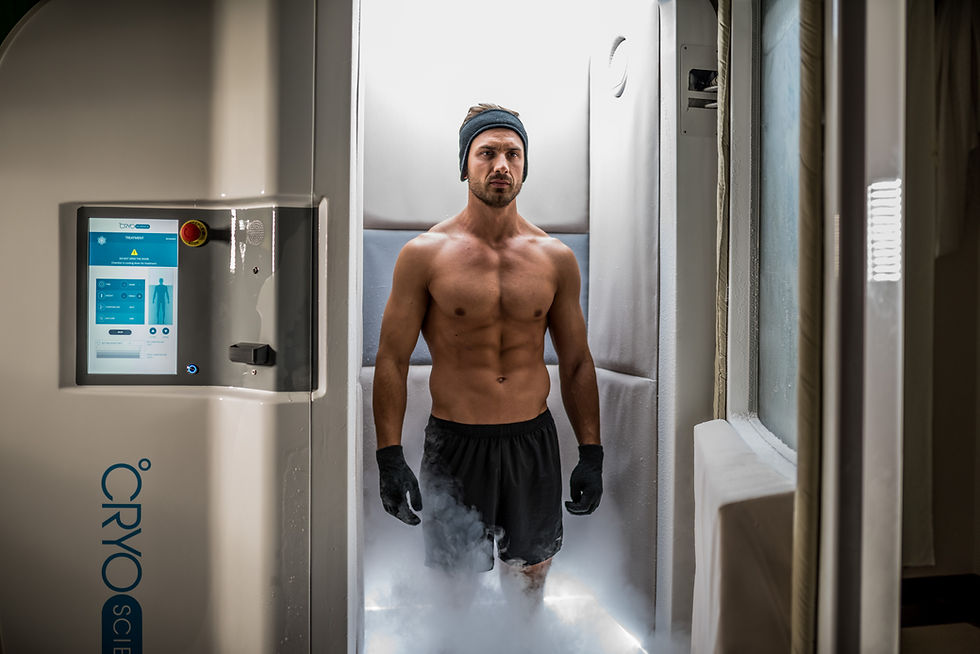
Whole body cryotherapy (WBC) chambers immerse the entire body in extremely cold, dry air for around two to three minutes. It’s one of the most widely adopted cryotherapy options in elite sports.
Benefits
noticeable reduction in muscle soreness
reduced fatigue between training blocks
improved perceived recovery
support for better sleep and energy levels
Expert Note
Performance centres typically use modern electric chambers designed to deliver consistent, safe and efficient cold exposure.
Cryo Science’s °CRYO Arctic™ chamber is an example of the type of system used in professional environments.
2. Cryo Compression Therapy
Cryo compression systems combine cold temperatures with compression to help reduce inflammation in specific muscle groups and joints.
Benefits
highly targeted recovery
reduced swelling post-training
ideal for legs, knees, ankles and arms
convenient at-home or in-gym use
Expert Note
Many rehabilitation clinics and sports therapists pair whole-body cryotherapy with precise, localised cold exposure.
The °CRYO Arctic™ chamber is often used by centres offering combined whole-body and targeted recovery pathways.
3. Cryo Facial & Surface Cooling Treatments
Cryo facials aren’t only cosmetic — athletes increasingly use cold air skin treatments to calm inflammation, improve circulation and support overall wellbeing.
Benefits
reduces puffiness and facial inflammation
increases local blood flow
provides an energising, refreshing effect post-exercise
Expert Note
Some clinics use thermal-shock or cooling devices that combine cold with controlled heat for enhanced skin recovery.
Cryo Science’s °CRYO Wave™ device is an example of a system offering these combined benefits.

4. Localised Cryotherapy Devices
Localised devices deliver cold directly to a specific area, making them ideal for acute muscle soreness, tendon irritation or small, targeted treatment zones.
Benefits
immediate relief to isolated areas
simple and fast application
excellent for joints such as knees, ankles, elbows and shoulders
Expert Note
Performance physios often combine whole-body sessions with local cold-air devices for precision treatment.
Cryo Science’s localised technologies (e.g., °CRYO Penguin™, if used) fit within this category and are well suited to sports clinics.
5. Cryogenic Ice Baths
Cold immersion remains a foundational recovery tool for athletes. Modern cryogenic baths allow cold-water therapy at consistent temperatures, enhancing the traditional ice-bath experience.
Benefits
supports overall muscle recovery
reduces fatigue after intense training blocks
promotes mental resilience
complements other cryotherapy methods
Expert Note
Cold immersion is often used alongside other cold therapies for a complete recovery routine. If Cryo Science introduces or supplies cold immersion equipment in future, this is a natural category to expand into.
Conclusion
Cryotherapy has become a cornerstone of modern athletic recovery. Whether delivered through whole-body chambers, compression systems, thermal-shock devices or localised tools, controlled cold exposure helps athletes train harder, recover faster and perform at a consistently high level.
For clinics, wellness centres, gyms and sports performance facilities, choosing reliable, professional-grade equipment ensures consistent results and a safe experience for every user.
Cryo Science’s range of cryotherapy systems aligns naturally with these recovery pathways — offering advanced technology designed for performance, wellness and rehabilitation settings.

Comments